
Venetian elegance meets island serenity
Medical cannabis in Corfu for tourists: how MedTourist GR handles your application
Corfu stands apart from the Cycladic stereotype — lush, green, and steeped in Venetian, French, and British history. Its Old Town is a UNESCO World Heritage site, its coastline ranges from dramatic cliffs to gentle sandy bays, and its cuisine blends Greek and Italian influences in ways unique to the Ionian Islands.
Why Visit Corfu
Corfu feels different from the rest of Greece — and that's exactly its appeal. Italian architecture, British cricket, and Greek warmth coexist on one beautifully green island.
UNESCO World Heritage Old Town
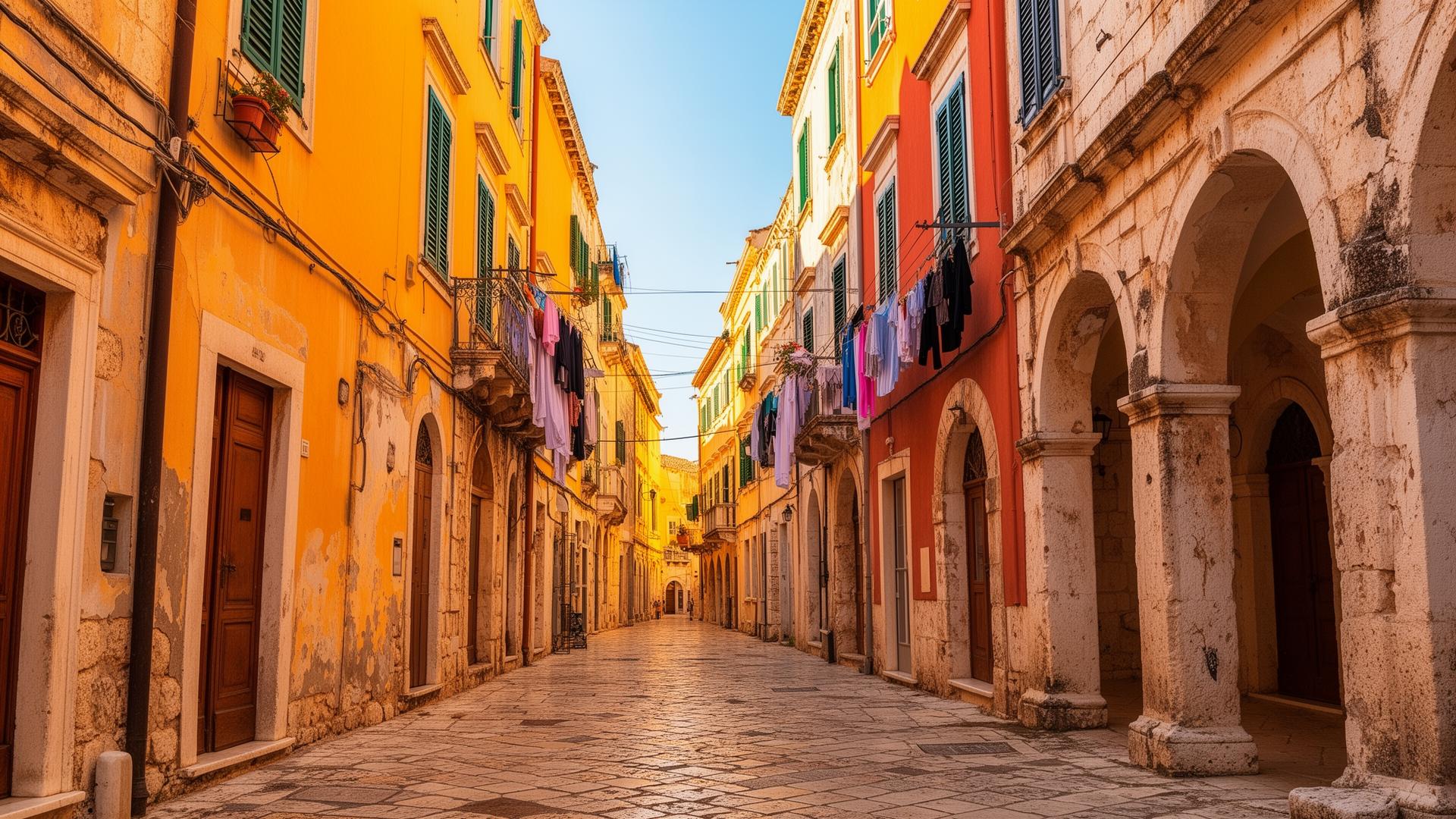
A blend of Venetian fortresses, French-era arcades, British neoclassical buildings, and Byzantine churches. The Old Town's narrow Kantounia lanes feel more Italian than Greek.
The Greenest Greek Island
Unlike the barren Cyclades, Corfu is covered in olive groves, cypress trees, and wildflowers. The landscape feels more like Tuscany transplanted into the Ionian Sea.
Stunning & Diverse Coastline
From the dramatic cliffs of Paleokastritsa to the gentle bays of the south coast, Corfu offers beach variety that few Greek islands can match.
Unique Corfiot Cuisine
Italian, Venetian, and Greek influences create a distinctive local food — pastitsada (braised meat in spiced tomato sauce), sofrito, and bourdeto (fish stew with paprika).
Cultural Depth
Corfu has a music tradition, a cricket pitch on the Esplanade, and Europe's most elaborate Easter celebrations. The island's cultural identity is rich and singular.
Best Things to Do in Corfu
Corfu rewards both Old Town exploration and coastal adventures. Here's what defines a visit.
Corfu Old Town
Wander through the Kantounia — narrow lanes lined with tall Venetian buildings, laundry hanging between balconies, and tiny plateia (squares) with cafés. Don't miss the Liston promenade and the Church of St. Spyridon.
Tip: Get lost on purpose. The charm is in the unplanned discoveries — a hidden courtyard, a crumbling doorway, a cat sleeping on ancient stone.
Paleokastritsa
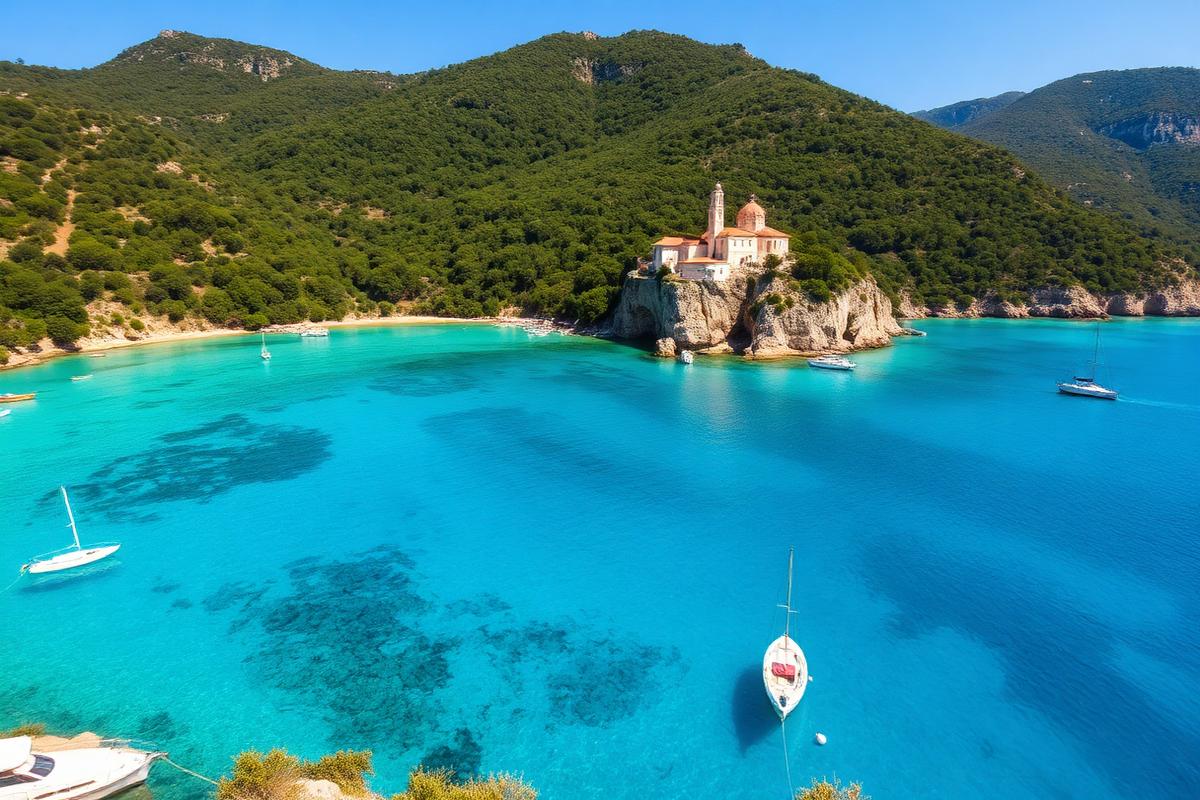
A stunning bay complex on the west coast with crystal-clear water, cave boat trips, and a hilltop monastery with views. Corfu's most famous natural attraction.
Tip: Arrive early — the bays are small and fill up by midday. The boat trips to the caves are worth the €10.
Canal d'Amour
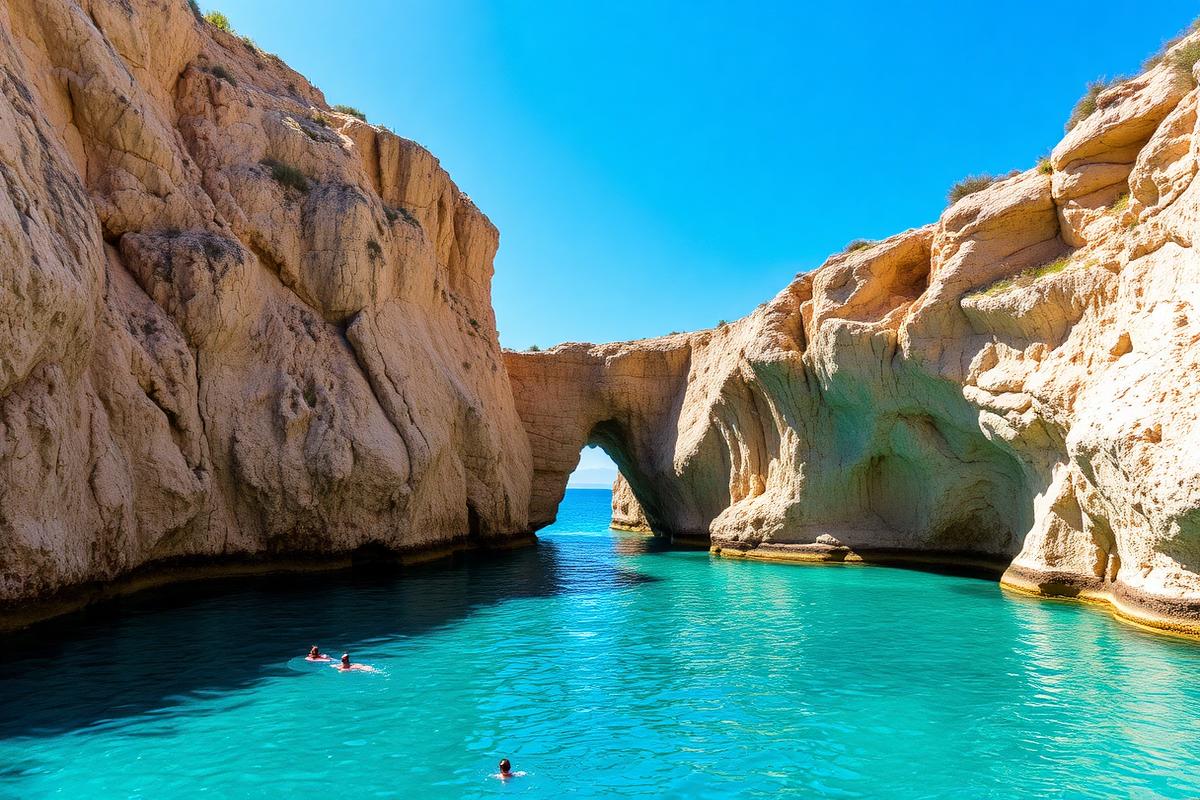
Dramatic sandstone rock formations at Sidari with natural swimming channels. Legend says couples who swim through the main channel will marry.
Tip: The beach itself is small. Go for the rock formations and swimming, not for sunbathing space.
Achilleion Palace
An ornate 19th-century palace built by Empress Sisi of Austria, filled with classical statues and gardens overlooking the sea toward the mainland. Beautifully over-the-top.
Mon Repos Estate & Museum
A neoclassical villa in a lush park on a peninsula south of the Old Town. Birthplace of Prince Philip (Duke of Edinburgh). The grounds include ancient temples and walking paths.
Angelokastro
A ruined Byzantine fortress on a dramatic peak above Paleokastritsa. The climb is steep but the 360° views of the west coast are extraordinary.
Tip: Bring water and go in the morning. There's no shade at the top.
Pontikonisi (Mouse Island)
A tiny, photogenic islet just offshore from the Kanoni viewpoint. A small Byzantine chapel sits among cypress trees. It's Corfu's most photographed landmark.
Get Our Free Corfu Island Guide
A practical guide covering the Old Town, best beaches, village tavernas, and a suggested itinerary for your Corfu trip.
No spam. Unsubscribe anytime.
Where to Stay in Corfu
Corfu is mid-sized — where you stay determines whether your holiday is beach-focused, culture-focused, or a mix.
Corfu Town (Old Town)
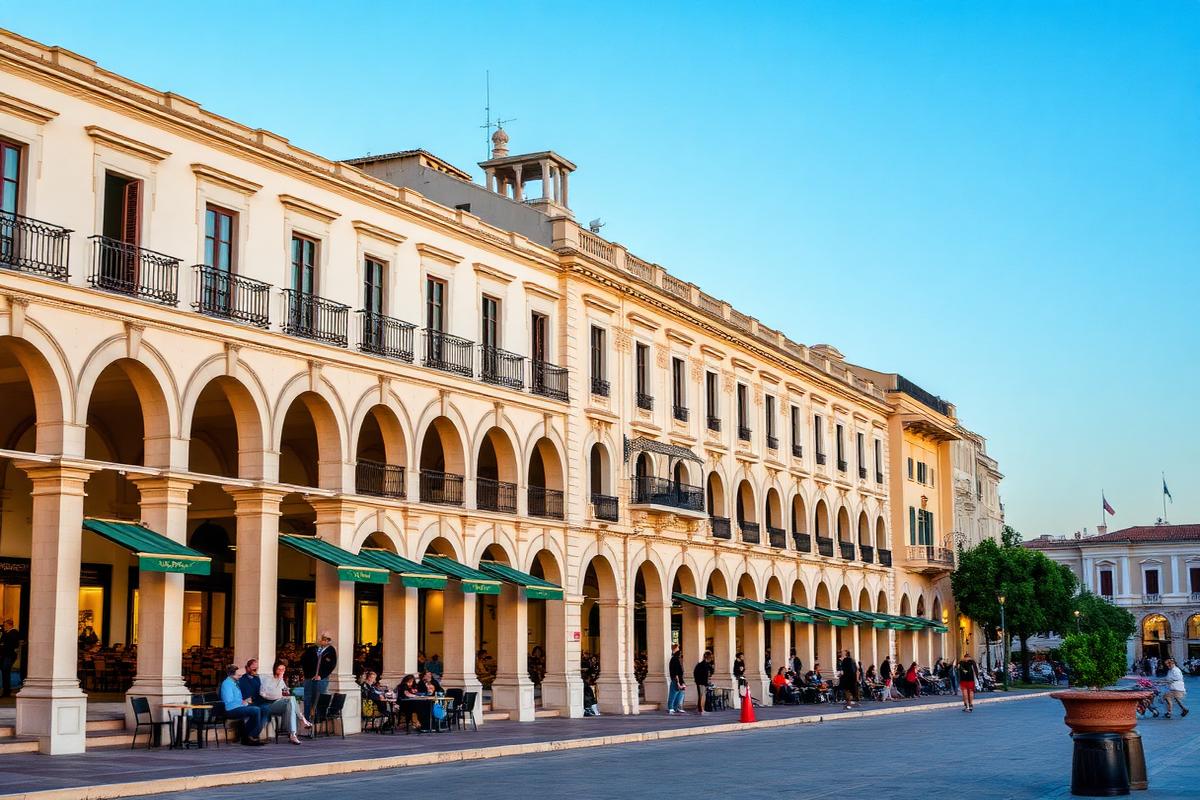
Central, cultural, walkable. Best for first-timers who want museums, restaurants, and Venetian architecture steps from their hotel.
€70–€180/nightPaleokastritsa
Scenic, beach-focused, quieter. Dramatic west coast setting. Good for nature lovers and couples.
€60–€160/nightGouvia / Dassia
Resort coast north of town. Organized beaches, family-friendly hotels, water sports. Convenient and accessible.
€50–€140/nightKassiopi / Northeast Coast
Quieter, traditional villages, pebbly coves, excellent tavernas. Albanian coast visible across the water. Best for a relaxed pace.
€55–€150/nightWhere to Eat in Corfu
Corfiot cuisine is distinctly different from mainland Greek food — richer, spicier, and shaped by centuries of Venetian and British influence.
Old Town Traditional Tavernas
Hidden in the Kantounia lanes, family-run tavernas serve pastitsada, sofrito, and bourdeto alongside standard Greek dishes. Seek out the places with Greek menus — they tend to be more authentic.
Corfu Old TownListon Cafés
The Liston's arched promenade (modeled on Paris' Rue de Rivoli) is lined with cafés. More about atmosphere than gastronomy — perfect for a coffee and people-watching on the Esplanade.
Corfu TownVillage Tavernas
Drive inland to villages like Doukades, Lakones, or Perithia for mountain tavernas serving slow-cooked local dishes. Prices are lower and the atmosphere is purely Corfiot.
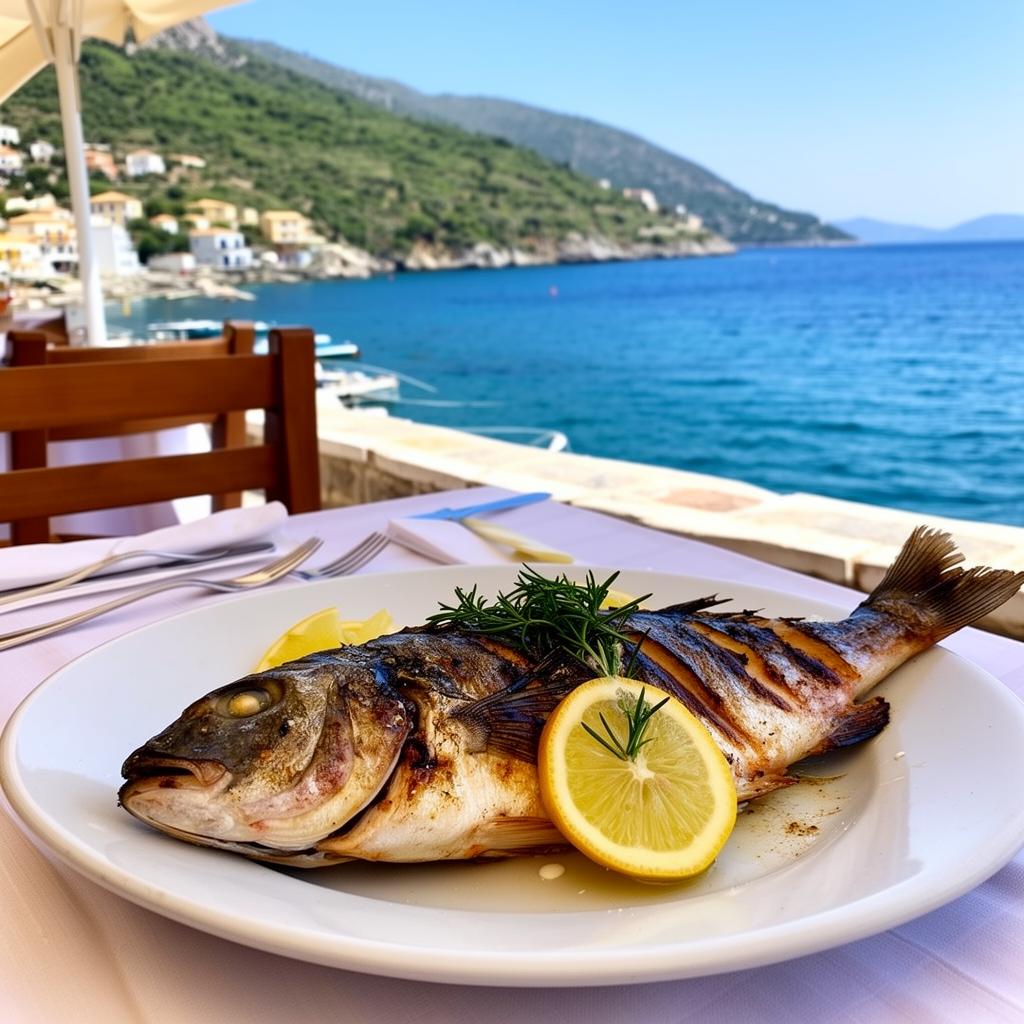
Inland VillagesBeachside Fish Restaurants
Kassiopi, Agni Bay, and Kalami all have waterfront tavernas with fresh-catch menus and Ionian sea views. Agni Bay in particular has earned a foodie reputation.
Northeast CoastBest Time to Visit Corfu
Corfu is greenest in spring and most relaxed in early autumn. Summer is warm and busy but the island handles crowds better than the Cyclades.
Spring (April–May)
The island is at its most beautiful — wildflowers, green hills, and pleasant temperatures (18–24°C). Easter in Corfu is famous throughout Greece.
Summer (June–August)
Warm (28–34°C) and popular. Beaches are lively, restaurants are full, and the Old Town buzzes. Book ahead for July–August.
Autumn (September–October)
Warm sea, thinning crowds, golden light. The olive harvest begins. One of the best times to visit for a balanced experience.
Winter (November–March)
Green and quiet. Some rain. Old Town life continues year-round — the cafés, markets, and churches stay active. Good for cultural immersion.
Getting Around Corfu
Corfu is manageable but a vehicle gives you freedom. The west coast and north are harder to reach by bus.
Rental Car
The best way to explore Corfu's coastline and inland villages. Roads are decent but narrow and winding in places. Parking in Corfu Town can be tight.
Local Buses
Green buses (KTEL) run from Corfu Town to most major villages and beaches. Blue buses cover the town area. Schedules are seasonal — check in advance.
Scooter / ATV
Popular for couples and solo travelers. Practical for short distances and beach-hopping. Always wear a helmet.
Boat Trips
Day cruises visit Paxos, Antipaxos (famous blue lagoon), and the Diapontia islands. Glass-bottom boat trips at Paleokastritsa are also popular.
Things to Do & Experiences
Discover top-rated tours, activities, and experiences across Greece.
Affiliate partner — we may earn a commission at no extra cost to you.
Practical Tips for Corfu
- Corfu Town parking is limited — use the New Port parking area and walk into the Old Town.
- Easter in Corfu is spectacular — pot-throwing from balconies, marching bands, and candlelit processions. Book accommodation months ahead.
- The west coast gets more wind and waves; the east coast is calmer and warmer.
- Mosquitoes can be an issue in summer due to the lush vegetation — pack repellent.
- Many inland tavernas close by early evening — lunch is the best meal for village food.
- Ginger beer (tsitsibira) is a Corfiot specialty dating from the British era — try it on the Liston.
- Corfu is greener than most Greek islands but still hot in July–August. Sunscreen and water are essential.
Corfu Is Best For
Frequently Asked Questions About Corfu
Need Extra Planning Support?
Travelers who want extra planning support — including help navigating regulated medical-access logistics in Greece — can reach out to our team for guided assistance.
Start Your Intake