
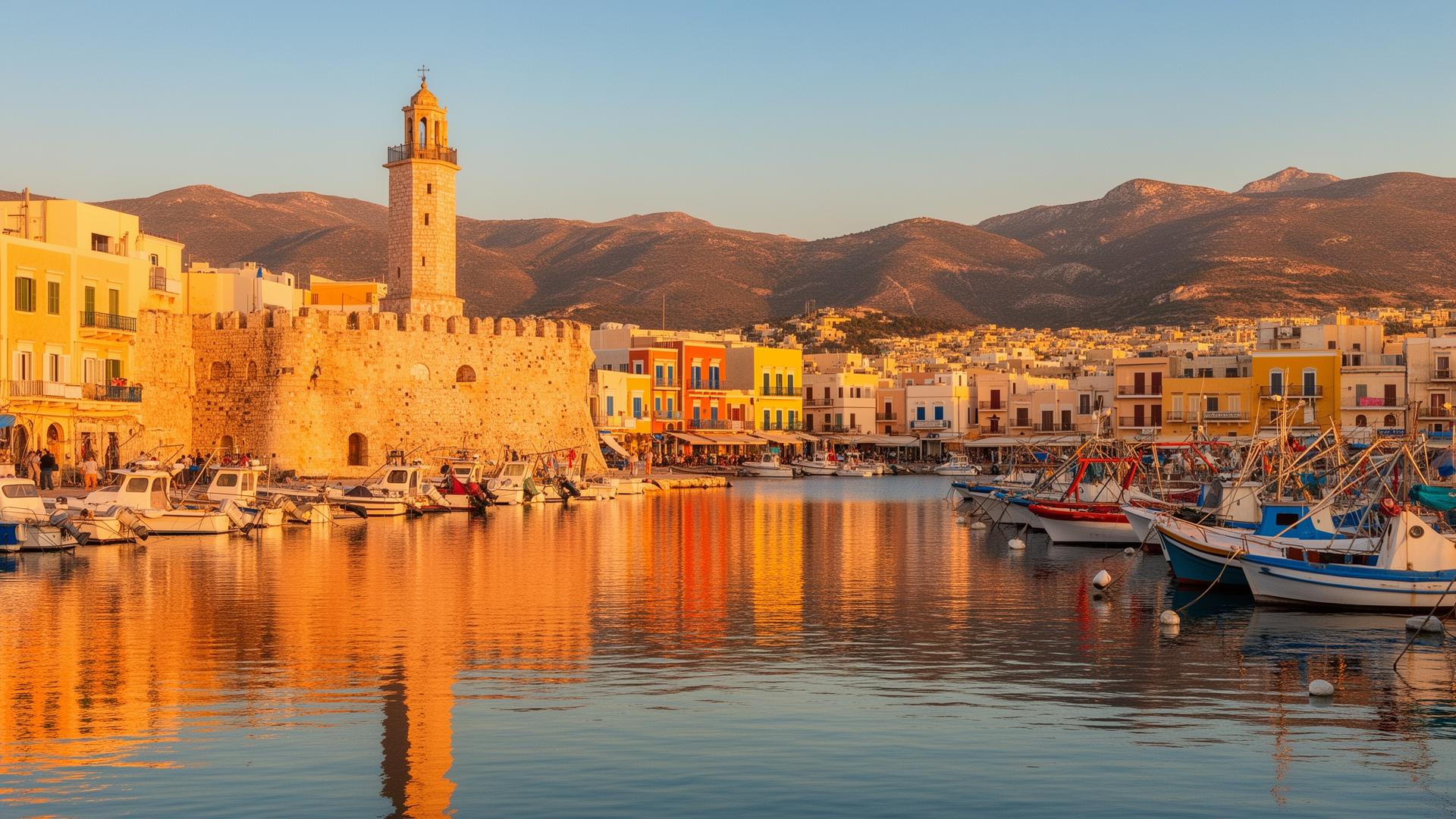
An island big enough to be its own country
Medical cannabis in Crete for tourists: how MedTourist GR handles your application
Crete is Greece at its most expansive — dramatic gorges, pink-sand beaches, ancient Minoan palaces, and a food culture that rivals any region in the Mediterranean. Greece's largest island could occupy weeks of exploration, from the Venetian harbour of Chania to the wild south coast, from the mountains of Sfakia to the eastern tip at Vai.
Why Visit Crete
Crete deserves more than a quick visit. It's the kind of island that reveals new layers the longer you stay.
Extraordinary Diversity
Mountains, gorges, beaches, cities, and villages — all on one island. Crete's landscape ranges from the 2,400m White Mountains to the pink sand of Elafonissi.
The Birthplace of European Civilization
The Minoan civilization — Europe's first advanced society — flourished here 4,000 years ago. Knossos palace is the most famous site, but the island is scattered with Minoan ruins.
Greece's Best Regional Cuisine
Cretan food is a thing apart — wild greens, graviera cheese, lamb cooked in the mountains, olive oil from ancient groves, and raki poured freely. The Cretan diet is legendary for longevity.
Two Stunning Old Towns
Chania and Rethymno both feature Venetian harbours, narrow lanes, and Ottoman-era landmarks. They're among the most atmospheric towns in all of Greece.
Adventure & Nature
Samaria Gorge, Europe's longest, draws serious hikers. But there are dozens of smaller gorges, mountain villages, and coastal paths for every ability level.
Best Things to Do in Crete
Crete is vast — you could spend a month and not see it all. These are the essential experiences.
Chania Old Town
A Venetian harbour lined with colourful buildings, a crumbling Turkish mosque, and a lighthouse dating to the 1500s. The lanes behind the waterfront hide Ottoman bathhouses, artisan workshops, and excellent restaurants.
Tip: Stay in the old town for at least two nights. Morning walks before the shops open reveal its true beauty.
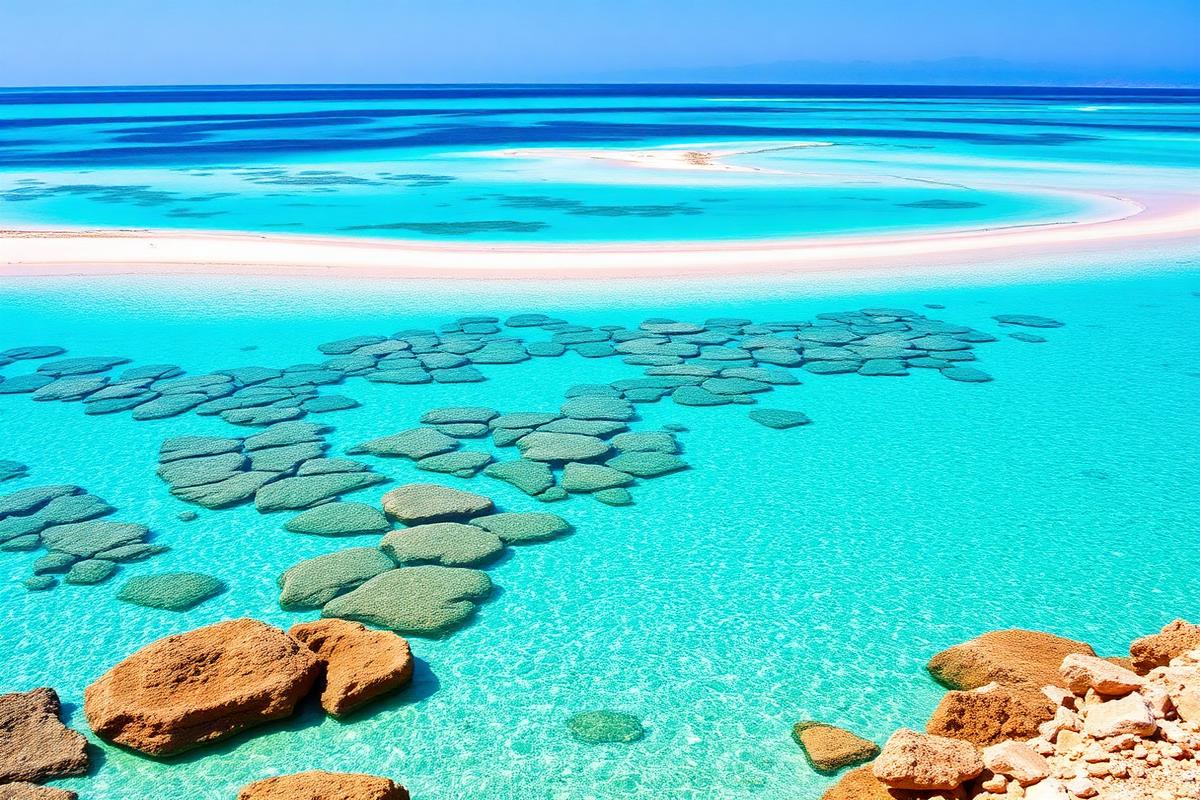
Elafonissi Beach
A stunning lagoon beach with pink-tinged sand and knee-deep turquoise water that feels more Caribbean than Greek. One of Europe's most beautiful beaches.
Tip: Arrive by 9 AM in summer — it gets crowded. The drive from Chania takes about 75 minutes.
Samaria Gorge
Europe's longest gorge (16km) through the White Mountains, ending at the coastal village of Agia Roumeli. A challenging but spectacular full-day hike.
Tip: Wear proper hiking boots. Start early (gates open at 7 AM). You'll exit at the sea — a ferry takes you to Sfakia for the bus back.
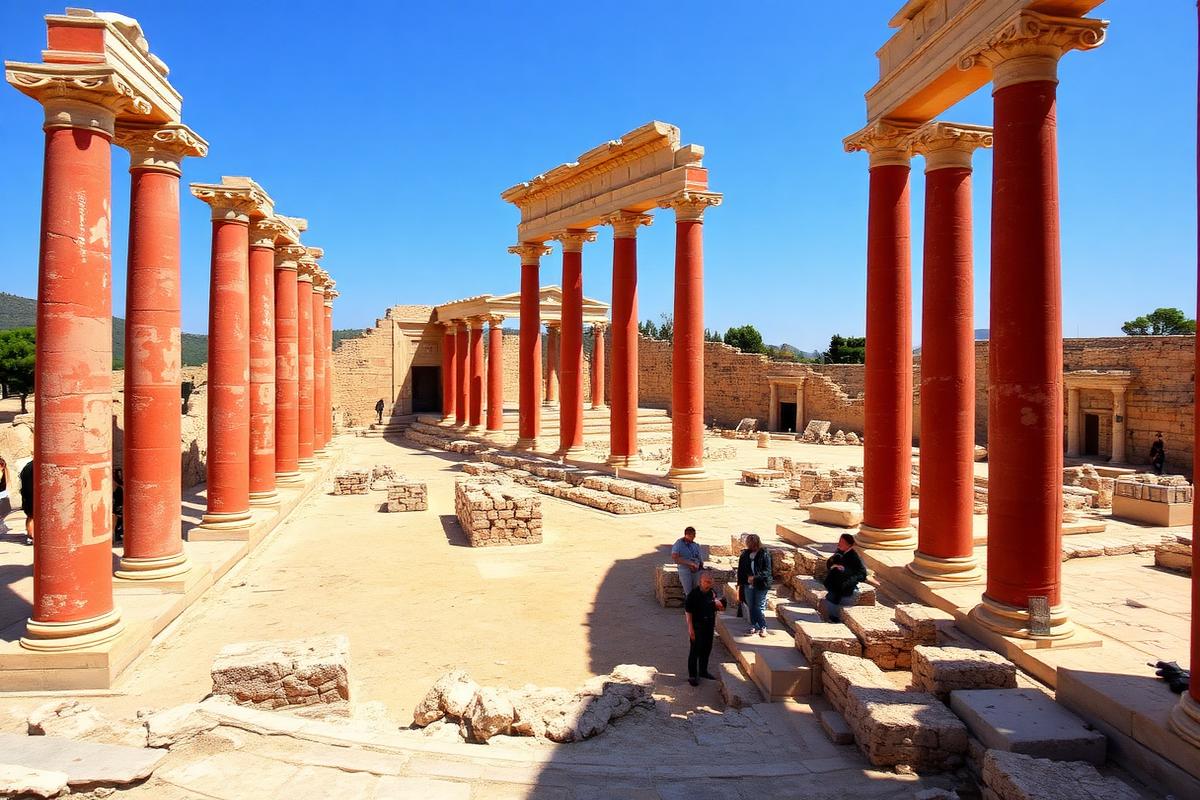
Palace of Knossos
The largest Minoan palace, partially restored by Arthur Evans in the early 20th century. The Throne Room, Queen's Megaron, and vast storage areas give a vivid sense of Bronze Age sophistication.
Tip: Visit in the morning before tour groups arrive. Combine with the Heraklion Archaeological Museum for full context.
Balos Lagoon
A remote lagoon at the northwestern tip of Crete, accessible by boat from Kissamos or a rough dirt road and steep path. The colours of the water are extraordinary.
Tip: The boat trip is easier than driving. If you drive, the road is unpaved for the last 8km — take it slow.
Rethymno Old Town
A compact Venetian-Ottoman old town with a massive fortress (Fortezza), elegant stone doorways, and minarets alongside church bell towers. More compact and quieter than Chania.
South Coast Villages
Loutro (accessible only by boat or foot), Chora Sfakion, and Plakias offer a wilder, less-developed side of Crete — cliffs, small beaches, and tavernas that haven't changed in decades.
Get Our Free Crete Road Trip Planner
A practical guide covering the best driving routes, beaches, gorges, and food stops for your Crete adventure.
No spam. Unsubscribe anytime.
Where to Stay in Crete
Crete is 260km long — where you base yourself determines what you can realistically see. Most first-timers focus on the western half.
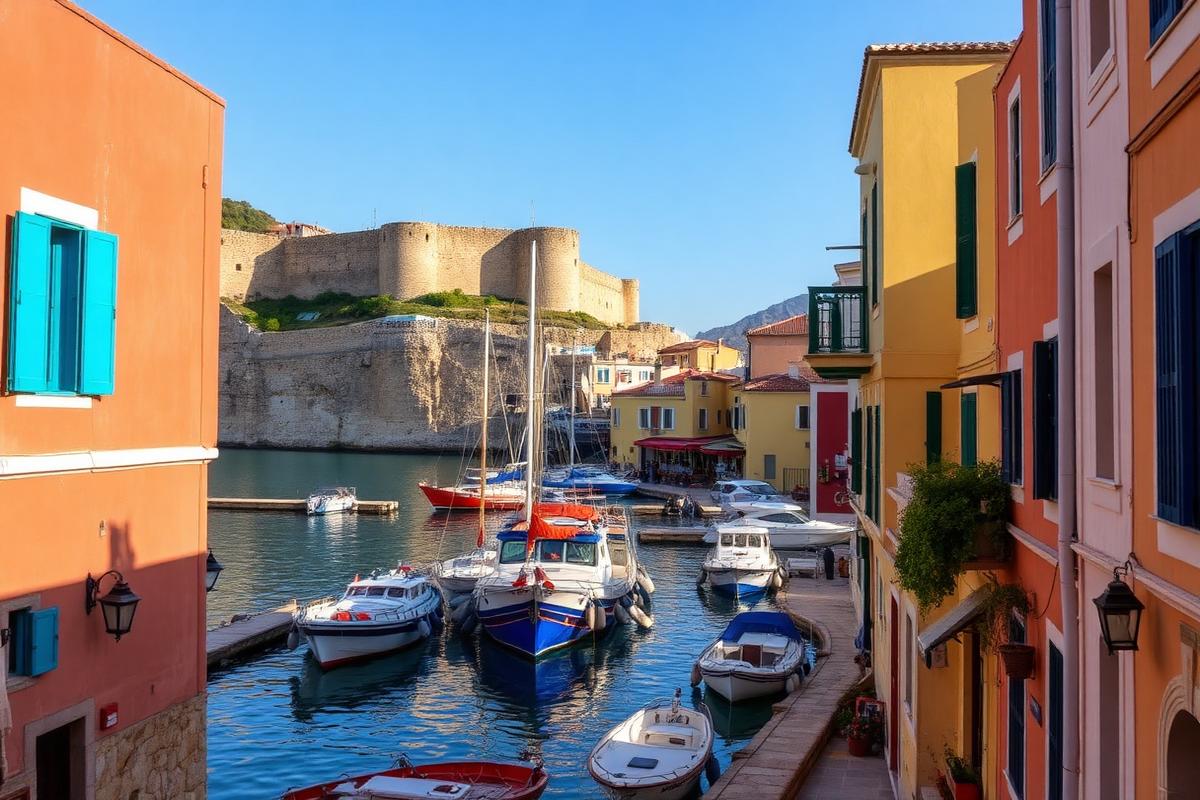
Chania Old Town
Atmospheric, walkable, restaurant-rich. Venetian harbour, boutique hotels in converted mansions. Best base for exploring western Crete.
€70–€200/nightRethymno
Charming, central, family-friendly. A good midpoint between Chania and Heraklion with its own old town and beach.
€60–€160/nightHeraklion
Crete's capital. Close to Knossos and the airport. More urban than atmospheric, but convenient and affordable.
€50–€130/nightAgios Nikolaos / Elounda
Eastern Crete's upscale corner. Boutique resorts, calm waters, and the famous Spinalonga island nearby.
€80–€300/nightWhere to Eat in Crete
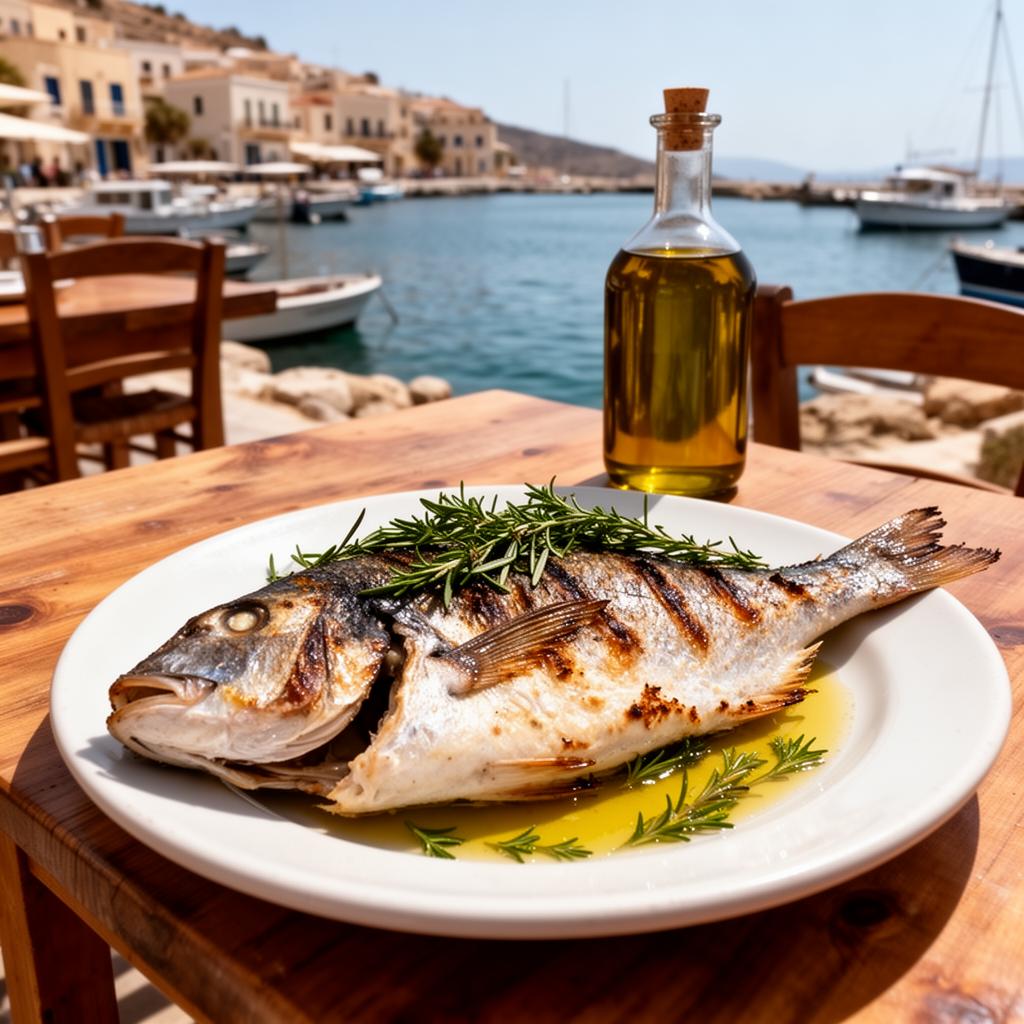
Cretan cuisine is arguably the finest regional food in Greece — simple, seasonal, and built on olive oil, wild greens, and local cheese.
Chania Covered Market (Agora)
A cross-shaped 1913 market building filled with spice vendors, cheese shops, butchers, and small tavernas. The heart of Chania's food culture.
ChaniaMountain Village Tavernas
Drive into the White Mountains and eat where shepherds eat — lamb chops, wild green pies, local graviera, and raki. Villages like Theriso and Lakki deliver the most authentic experience.
White MountainsRethymno Harbour Restaurants
The Venetian harbour has a row of fish restaurants serving the day's catch. Touristy in setting, but the quality is genuine if you choose carefully.
RethymnoHeraklion Food Streets
Around 1866 Street and the Lion Square area, you'll find bakeries with kalitsounia (cheese pies), souvlaki joints, and traditional eateries serving dakos (barley rusk with tomato and feta).
HeraklionBest Time to Visit Crete
Crete has the longest season in Greece — warm enough for swimming from May through October, with mild winters ideal for hiking and culture.
Spring (April–May)
Wildflowers everywhere, perfect hiking weather, gorges open, beaches uncrowded. The best time for active travelers.
Summer (June–August)
Hot (30–38°C) and busy, especially in Chania and popular beaches. The south coast stays wilder. Book accommodation early.
Autumn (September–October)
Warm sea, quiet beaches, harvest season. Wine, olive oil, and grape festivals add cultural depth. Many consider this Crete's best season.
Winter (November–March)
Mild (10–16°C), uncrowded, and ideal for exploring cities, gorges (lower ones), and mountain villages. Snow caps the White Mountains.
Getting Around Crete
A rental car is almost essential in Crete. The island is large and public transport, while functional, is limited for reaching the best spots.
Rental Car
The recommended way to explore Crete. Roads are good on the north coast highway. Mountain and south coast roads are narrower and slower but scenic.
KTEL Buses
Regular buses connect the four main cities (Chania, Rethymno, Heraklion, Agios Nikolaos) along the north coast. Branch routes reach some villages and beaches.
Ferries & Boats
Daily ferries to Santorini, other Cyclades, and Piraeus (Athens) from Heraklion. Coastal boats access Loutro and south coast villages.
On Foot
The old towns of Chania and Rethymno are best explored on foot. Crete also has excellent hiking — from Samaria Gorge to coastal paths near Loutro.
Things to Do & Experiences
Discover top-rated tours, activities, and experiences across Greece.
Affiliate partner — we may earn a commission at no extra cost to you.
Practical Tips for Crete
- Rent a car — you'll regret not having one. Book early in summer as demand is high.
- The north coast highway is fast; south coast roads are slow but beautiful. Budget extra driving time.
- Cretan hospitality often includes free raki and fruit at the end of a meal — it's tradition, not a charge.
- Sunscreen, a hat, and water are essential year-round. Mountain villages can be cooler — bring a light layer.
- Many beaches (Elafonissi, Balos) have no shade — bring an umbrella or rent one early.
- Cash is still preferred in mountain villages and smaller tavernas.
- Don't try to see all of Crete in a week — focus on one or two regions and explore deeply.
Crete Is Best For
Frequently Asked Questions About Crete
Need Extra Planning Support?
Travelers who want extra planning support — including help navigating regulated medical-access logistics in Greece — can reach out to our team for guided assistance.
Start Your Intake