
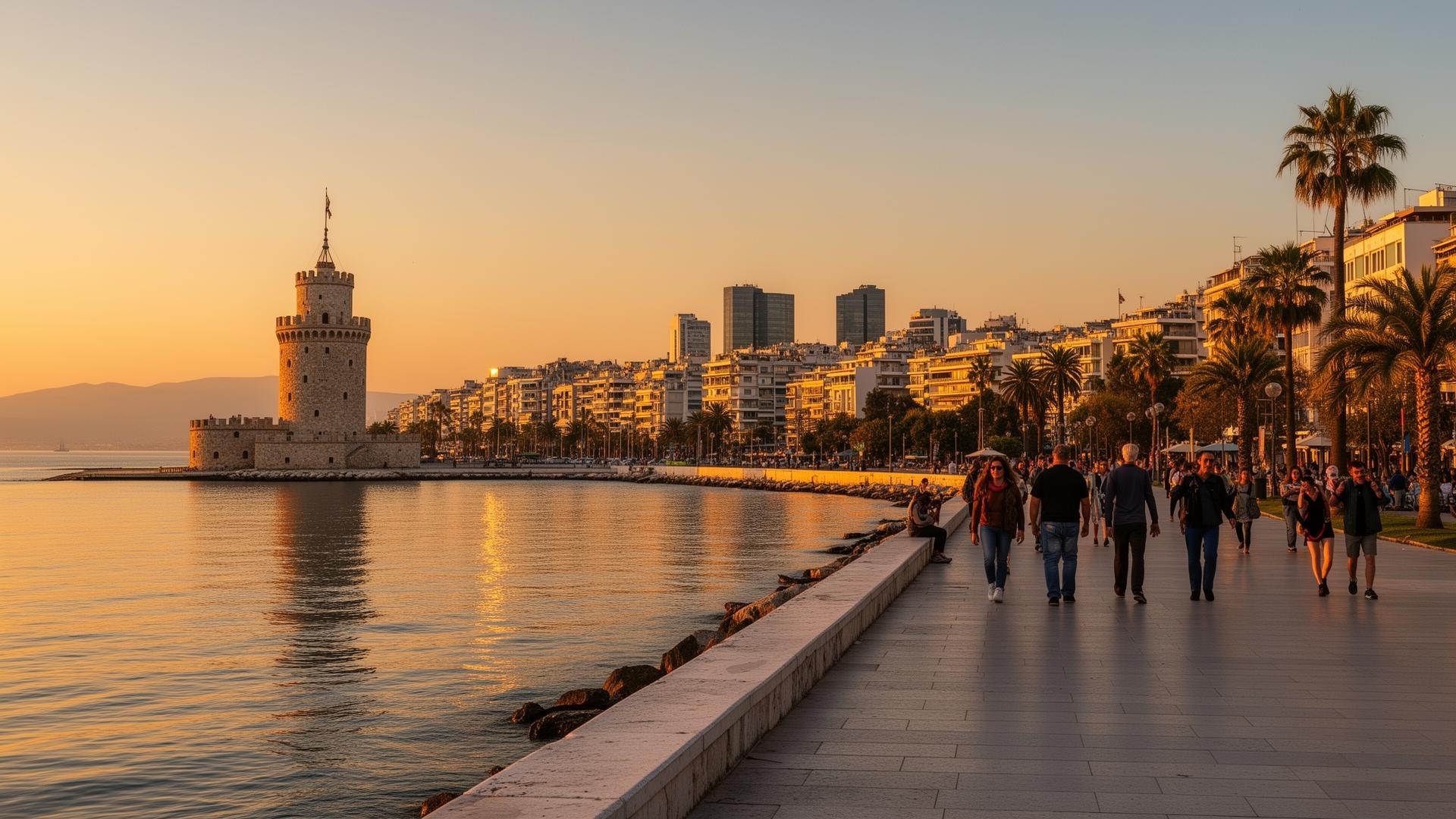
Where food, history, and nightlife converge
Medical cannabis in Thessaloniki for tourists: how MedTourist GR handles your application
Thessaloniki is Greece's second city — but first in food, culture, and nightlife. A buzzing waterfront promenade, Byzantine churches tucked between modern buildings, and a culinary scene that locals insist is the best in the country. It's less touristy than Athens, more cosmopolitan than the islands, and endlessly rewarding for curious travelers.
Why Visit Thessaloniki
Thessaloniki rewards travelers who look beyond the obvious. It's a city of layers — Roman, Byzantine, Ottoman, and unmistakably modern Greek.
Greece's Undisputed Food Capital
From bougatsa (custard-filled pastry) to fresh seafood along the port, Thessaloniki's food scene is legendary. Locals take eating seriously, and it shows in every neighborhood taverna.
Byzantine Heritage Around Every Corner
Fifteen UNESCO-listed Byzantine churches dot the city center, many still functioning. The Rotunda, Hagia Sophia, and city walls date back over 1,500 years.
A Waterfront Built for Walking
The Nea Paralia promenade stretches 5km along the Thermaic Gulf with art installations, cafés, and views toward Mount Olympus on clear days.
University City Energy
With one of Greece's largest universities, Thessaloniki has a youthful, creative pulse — independent galleries, live music bars, and an affordable café culture that stays open late.
Less Crowded, More Authentic
Thessaloniki sees a fraction of Athens' tourist traffic. You'll eat where locals eat, walk uncrowded streets, and experience a side of Greece that feels genuinely lived-in.
Best Things to Do in Thessaloniki
Thessaloniki packs centuries of history into a compact, walkable center. Here's what not to miss.
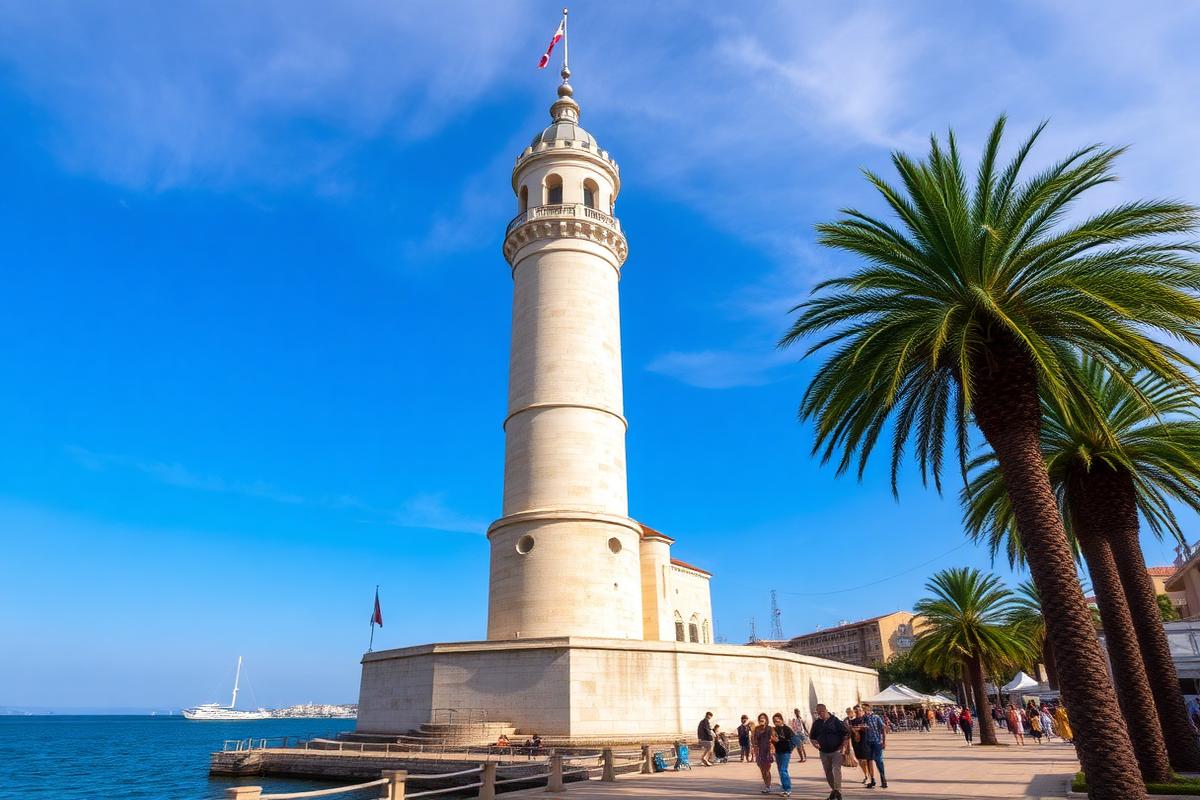
White Tower & Waterfront
The city's iconic landmark, a 15th-century Ottoman tower now housing a museum on the city's history. The surrounding waterfront is Thessaloniki's social heart.
Tip: Visit late afternoon, then stroll the promenade toward the concert hall for sunset.
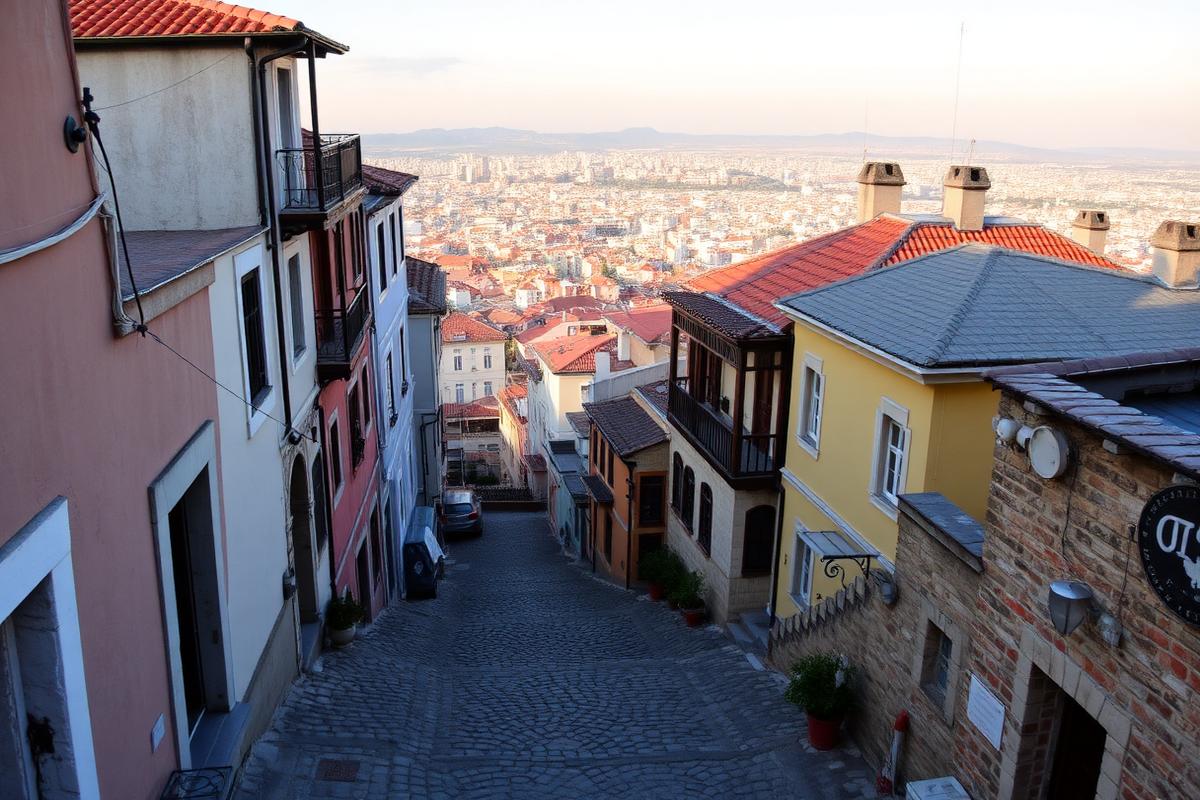
Ano Poli (Upper Town)
The old quarter that survived the 1917 fire. Ottoman-era houses, Byzantine walls, and panoramic views of the city and gulf below. Wander without a map.
Tip: Walk up through Eptapyrgio fortress for the best viewpoint in the city.
Rotunda of Galerius
A massive 4th-century Roman structure that served as a church, mosque, and now museum. Its mosaics are among the finest surviving examples from late antiquity.
Modiano Market
Thessaloniki's revamped central market — a glass-roofed food hall with traditional vendors alongside modern food stalls. Perfect for a lunch break between sightseeing.
Tip: Try the local mussels (mydia) and fresh-squeezed orange juice.
Archaeological Museum of Thessaloniki
Houses treasures from ancient Macedonia including gold from the Royal Tombs of Vergina and artifacts spanning the Neolithic to Roman periods.
Ladadika District
A former olive oil trading quarter now lined with restaurants, bars, and live music venues. The nightlife here rivals anything in Athens, with a more intimate, local feel.
Day Trip to Vergina
The ancient Macedonian capital of Aigai, just 75km west. The Royal Tombs museum — built underground at the burial site — is one of Greece's most extraordinary archaeological experiences.
Tip: Rent a car or book a guided day trip. Allow 3–4 hours for the visit.
Get Our Free Thessaloniki Food & Culture Guide
A curated guide covering the best markets, neighborhoods, restaurants, and cultural highlights for your Thessaloniki trip.
No spam. Unsubscribe anytime.
Where to Stay in Thessaloniki
Thessaloniki is compact enough that most central neighborhoods put you within walking distance of everything.
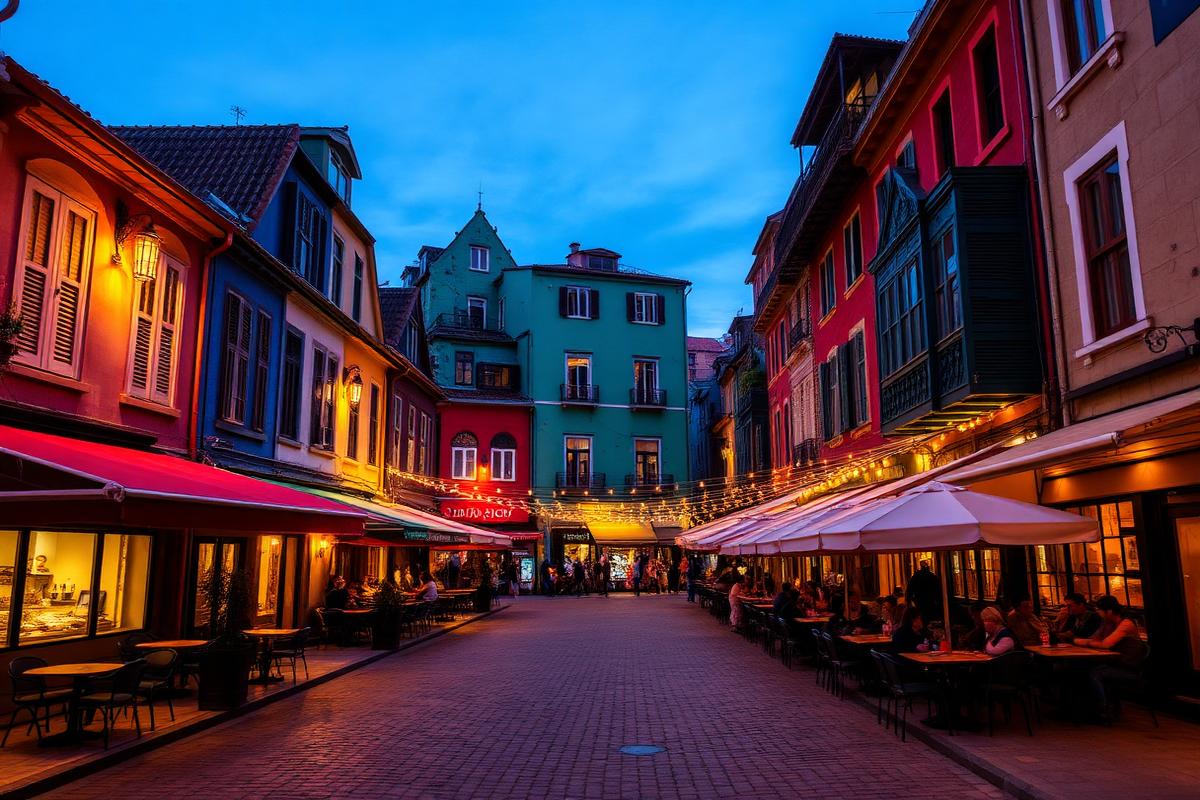
Ladadika / Port Area
Nightlife-forward, central, buzzing. Walking distance to the waterfront and main sights. Best for social travelers.
€70–€160/nightAristotelous Square Area
The city's grand central square. Close to markets, museums, and the waterfront. Mix of mid-range and boutique hotels.
€80–€200/nightAno Poli
Quiet, atmospheric, historic. Best for travelers who prefer charm over convenience. Some steep walking required.
€50–€120/nightKalamaria
Residential, seaside, family-friendly. East of center along the coast. More local, less touristy, great tavernas.
€60–€130/nightWhere to Eat in Thessaloniki
Thessaloniki takes its food more seriously than any other Greek city. These are the experiences that define eating here.
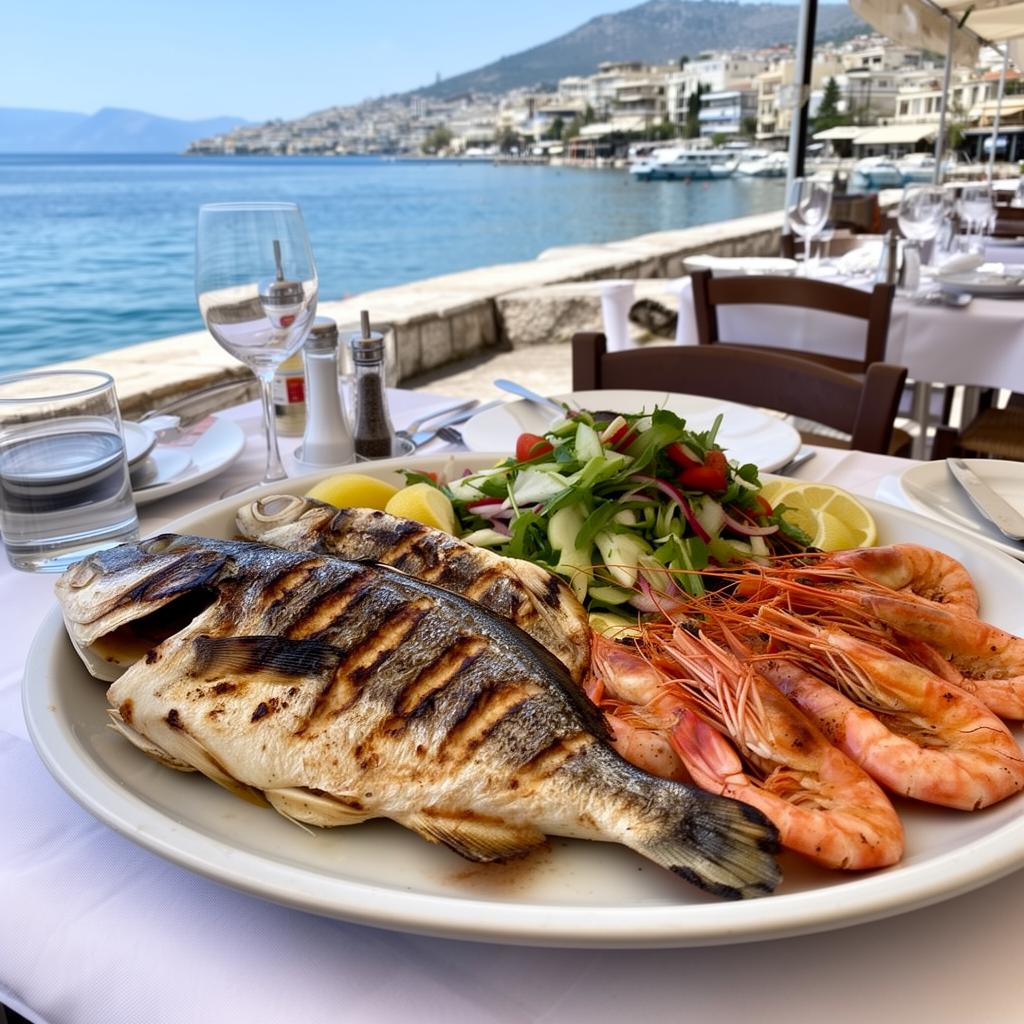
Bougatsa & Breakfast Culture
Start your day like a local with bougatsa — warm filo pastry filled with custard cream, cheese, or minced meat. Iconic spots near Aristotelous Square have been serving it for decades.
City CenterModiano & Kapani Markets
Side-by-side food markets where you can graze through spice stalls, delis, seafood counters, and tiny restaurants serving home-style dishes at honest prices.
Central Market AreaLadadika Mezedopolia
The Ladadika district is packed with small-plate restaurants where you order a spread of mezedes, local wine, and let the evening unfold. Live music is common.
LadadikaNea Paralia Seafood
Restaurants along the eastern waterfront serve fresh catch with views across the gulf. Less touristy than the port area, more neighborhood-feel.
Nea Paralia / KalamariaBest Time to Visit Thessaloniki
Thessaloniki is a year-round destination with hot summers and mild winters. Spring and autumn offer the best balance of weather and cultural activity.
Spring (April–May)
Pleasant temperatures (16–24°C), blooming parks, and fewer tourists. The city feels alive with outdoor café culture returning after winter.
Summer (June–August)
Hot (30–38°C) and humid. Many locals leave for the coast. But nightlife is at its peak, and the waterfront stays lively late into the night.
Autumn (September–November)
The Thessaloniki International Film Festival (November) and cooler weather make autumn excellent. The food scene is in full swing.
Winter (December–March)
Cool but mild (5–12°C). Christmas markets, cozy tavernas, and museum-hopping without any crowds. A great off-season European city break.
Getting Around Thessaloniki
Thessaloniki's center is flat and walkable. The city is building a metro (opening soon), but for now buses and taxis fill the gaps.
Walking
The city center — from the waterfront to Ano Poli — is best explored on foot. Most major sights, markets, and restaurants are within a 25-minute walk of each other.
City Buses
OASTH buses cover the metropolitan area. Useful for reaching Kalamaria, the airport, or the eastern beaches. Google Maps has reliable route info.
Taxis & Rideshare
Affordable and widely available. Beat app works well. A ride across the city center rarely exceeds €5–7.
Rental Car
Only necessary for day trips (Vergina, Halkidiki beaches, Mount Olympus). Parking in the center is challenging — use a car park.
Things to Do & Experiences
Discover top-rated tours, activities, and experiences across Greece.
Affiliate partner — we may earn a commission at no extra cost to you.
Practical Tips for Thessaloniki
- Thessaloniki's food scene peaks at lunch (1–3 PM) — many of the best spots close by early evening.
- The city is very walkable and flat along the waterfront, but Ano Poli involves serious uphill walking.
- Tap water is safe to drink throughout the city.
- Sunday mornings are quiet — many shops are closed, but the waterfront is perfect for a peaceful walk.
- Thessaloniki's nightlife starts late. Dinner at 9–10 PM, bars from midnight, clubs from 1–2 AM.
- The airport (SKG) is 15km from the center — a taxi costs about €15–20, or take bus 01X.
- Learn a few Greek words — Thessaloniki is less English-saturated than Athens or the islands.
Thessaloniki Is Best For
Frequently Asked Questions About Thessaloniki
Need Extra Planning Support?
Travelers who want extra planning support — including help navigating regulated medical-access logistics in Greece — can reach out to our team for guided assistance.
Start Your Intake